
What started as a simple connection through social media quickly blossomed into something far more powerful—a true sisterhood. We were once strangers, united only by our shared experiences as blind and visually impaired women. But over time, those virtual conversations turned into lasting friendships, and those friendships became a bond we now proudly call the Sisterhood of the Traveling Canes.
At the heart of our organization is a commitment to building genuine connections. We believe in the power of support, encouragement, and showing up for one another—no matter the distance. Through honest conversations, shared laughter, and mutual understanding, we uplift and empower each other every step of the way.
Our mission is to continue creating a safe, inclusive space where blind and visually impaired women can find not only support, but also confidence and belonging. We explore new places together, testing our independence and deepening our bonds, proving that our sisterhood knows no limits—only possibilities.
Together, we travel. Together, we grow. Together, we rise.
Meet the Founders
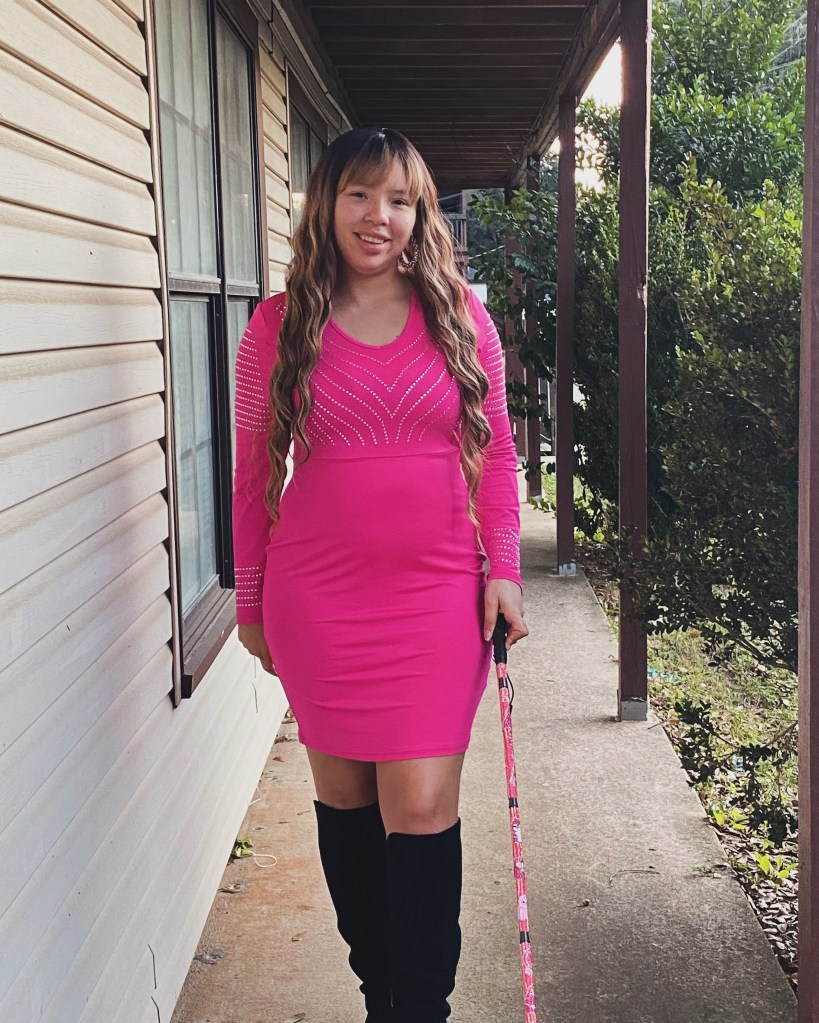
Shaniece Nieves
Shaniece is a 35-year-old visually impaired mother of three. Before joining the Sisterhood of the Traveling Canes, motherhood was the only title she truly identified with. But since becoming a member—and now a co-leader—of the sisterhood, Shaniece has discovered a deeper purpose beyond parenting. Through the support and encouragement of the women in the group, she has come to recognize her unique skills and, more importantly, her worth. She credits the sisterhood for standing by her through life’s ups and downs and for showing her what true commitment and connection look like. Shaniece hopes to build lasting friendships with other visually impaired women, because, to her, no journey is complete without people you can trust, love, and genuinely enjoy along the way.

Annesha Ahching
Annesha is from Alaska, the Land of the Midnight Sun! Annesha’s eye condition is Diabetic Retinopathy. She started her vision loss journey on July 27, 2017 at 29 years old. Annesha has Type 2 Diabetes & is also newly diagnosed with Kidney disease. She has been happily married for 10 years to her best friend. She is a mama of 2 handsome boys. Annesha is proud of her Polynesian culture, loves photography, makeup, being on the PTA Board at her son’s school & traveling. Annesha is a foodie! She enjoys eating, cooking & also baking delicious goodies! Annesha brings a kind heart, love, support & encouragement to the foundation & is ready to help other amazing blind women grow in their journeys!
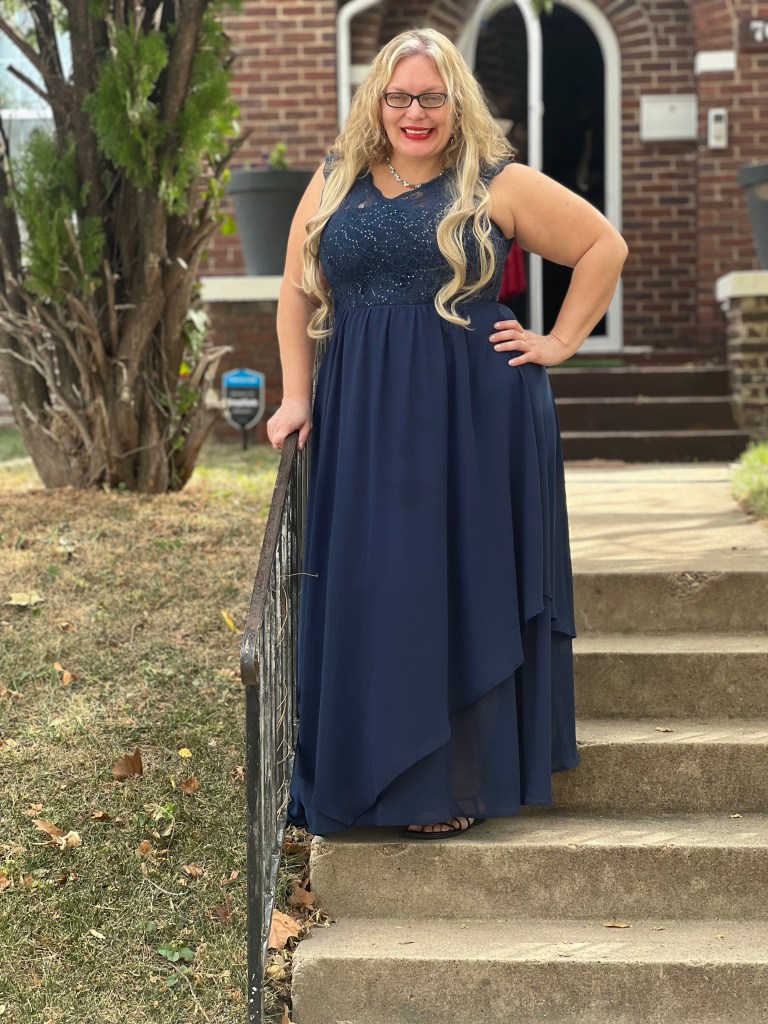
Amanda Freese
Amanda is from Minnesota and she has Cone Rod Dystrophy. She was diagnosed at 25 but did not go legally Blind until she was 35 years old. Her favorite color is yellow because it brings her joy and reminds her of sunshine and happiness. She’s an extreme extrovert and has a super bubbly personality and loves meeting new people and giving hugs to new people in new states. She loves to travel and has two grown sons, Carter and Logan and it’s also a dog mom to Thor. She’s funny and witty and definitely will put a smile on your face and make you feel comfortable.

Victoria Farr
Victoria was born and raised in the Upstate of South Carolina. She has been legally blind since Christmas Eve of 2016. Her eye condition is called Idiopathic Inter-cranial Hypertension. She is a recent college graduate from Spartanburg Methodist College, where she received two degree: an Associate of Arts in Criminal Justice and a Bachelor of Arts in Multidisciplinary with the concentrations in Criminal Justice, Psychology, and Professional Development. Victoria is a mother to a little girl and bonus mother of a little boy. She will soon be married to her best friend and junior high school sweetheart in September. Victoria has always been passionate about helping others in need. She. believes there are many different ways people can receive help and is so proud of the work the Sisterhood of the Traveling Canes has done in supporting and building up the confidence of many blind and visually impaired women.


 Sisterhood of the Traveling Canes